Future climate change in the Prespa region is irreversible. However, the harmful impacts are broadly known and can be minimized through the development and implementation of adaptation measures.
The interlinked negative impacts of climate change and human actions need to be addressed simultaneously to ensure the preservation of the rich nature, and the prosperity of the local society.
Several adaptation measures have already been introduced in parts of the Prespa region. Successful pilot projects, described below, should be implemented throughout the region to make an important difference.
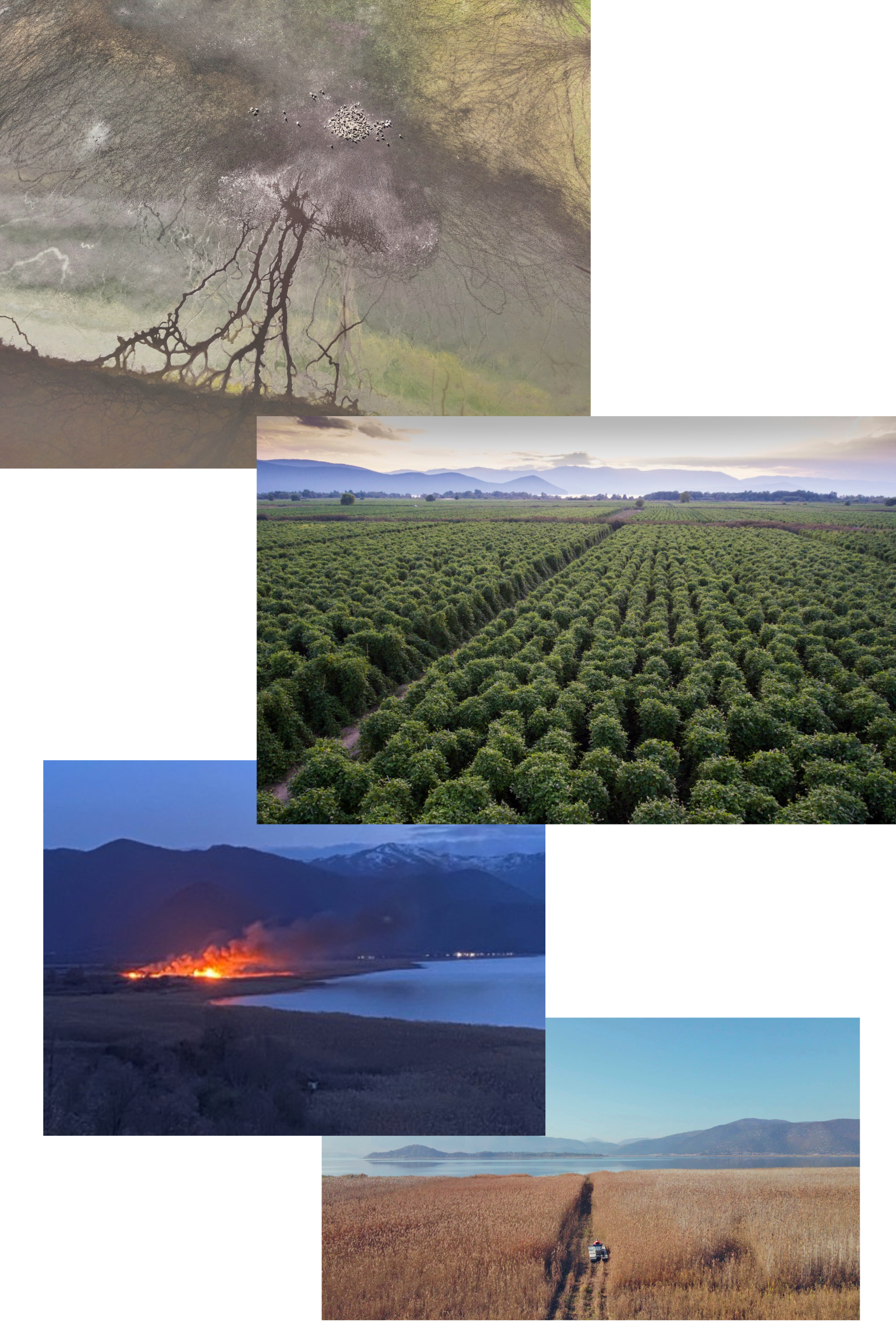
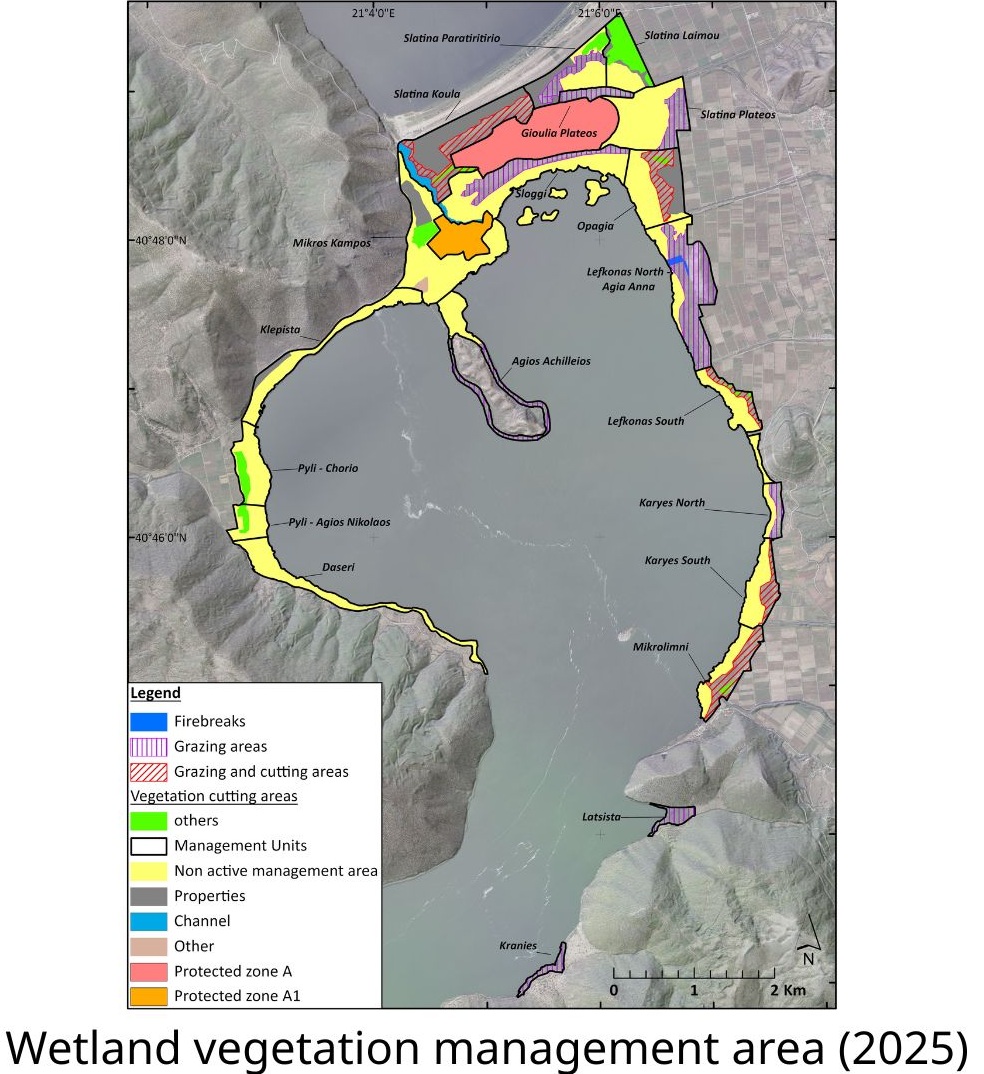
Fire breaks were created at strategic areas in the reedbeds around Lesser Prespa Lake, to stop the spread of fire into waterbird breeding areas. Fire breaks are also important for bird foraging and fish spawning. They are designed to flood under the lowest future lake levels, thus taking climate change impacts into account.
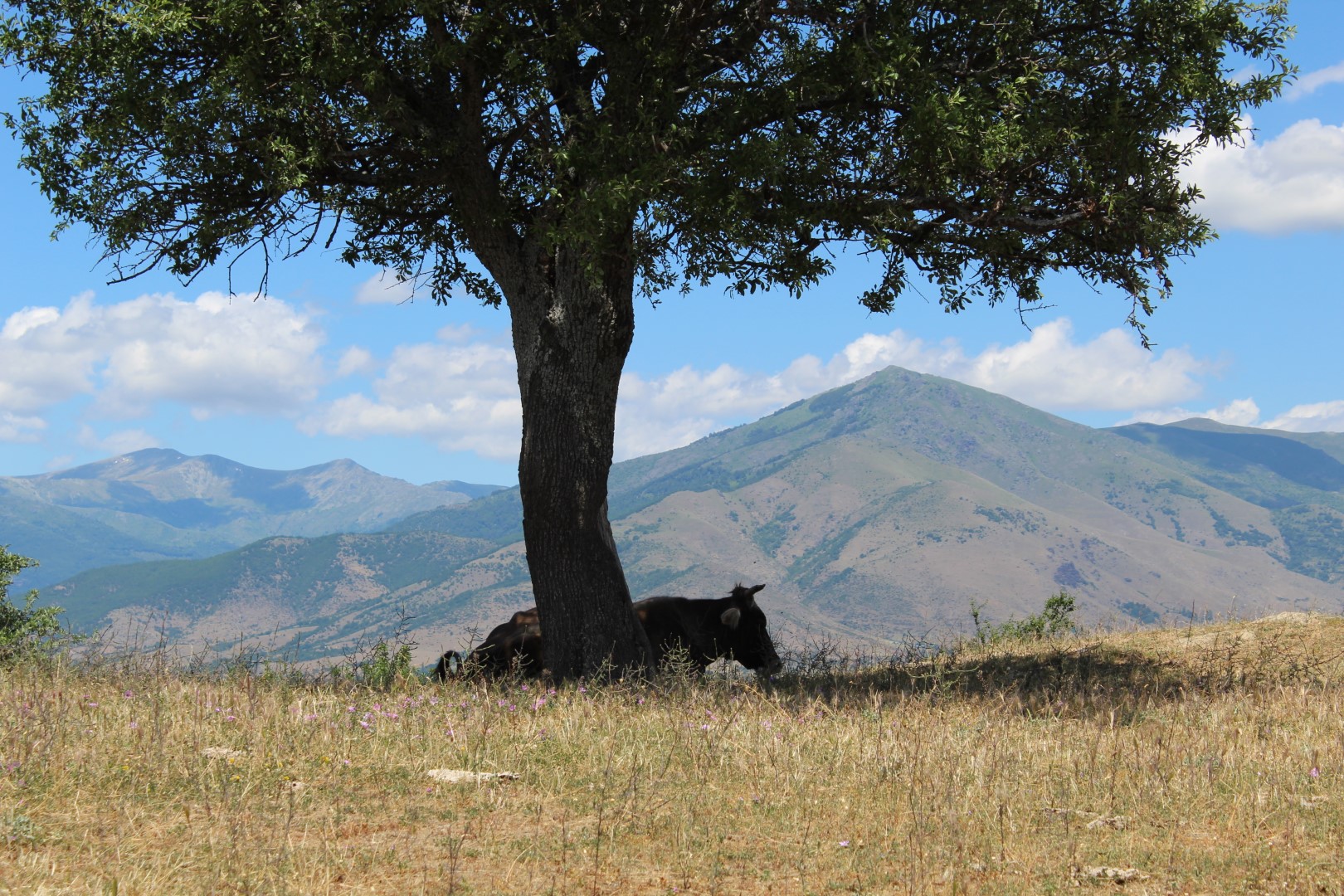
Grazing keeps the inland parts of the fire breaks open, ensuring low-cost continuation of the cleared areas. Nature-based adaptation strategies such as these are ideal for wetland management as multiple issues are solved at the same time. Solutions are low in maintenance and cost, and have multiple benefits for the local community, which ensures their long-term continuation.
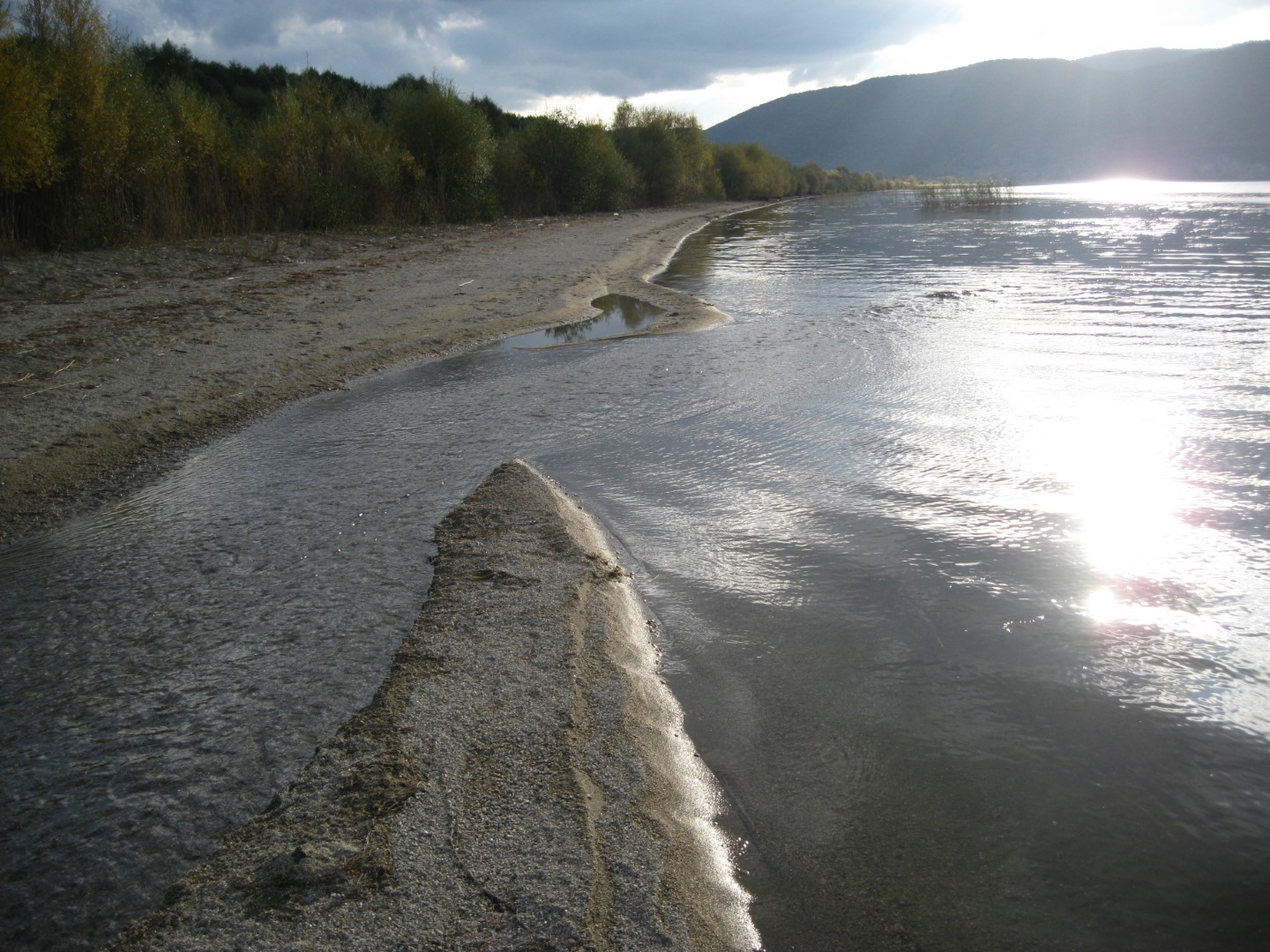
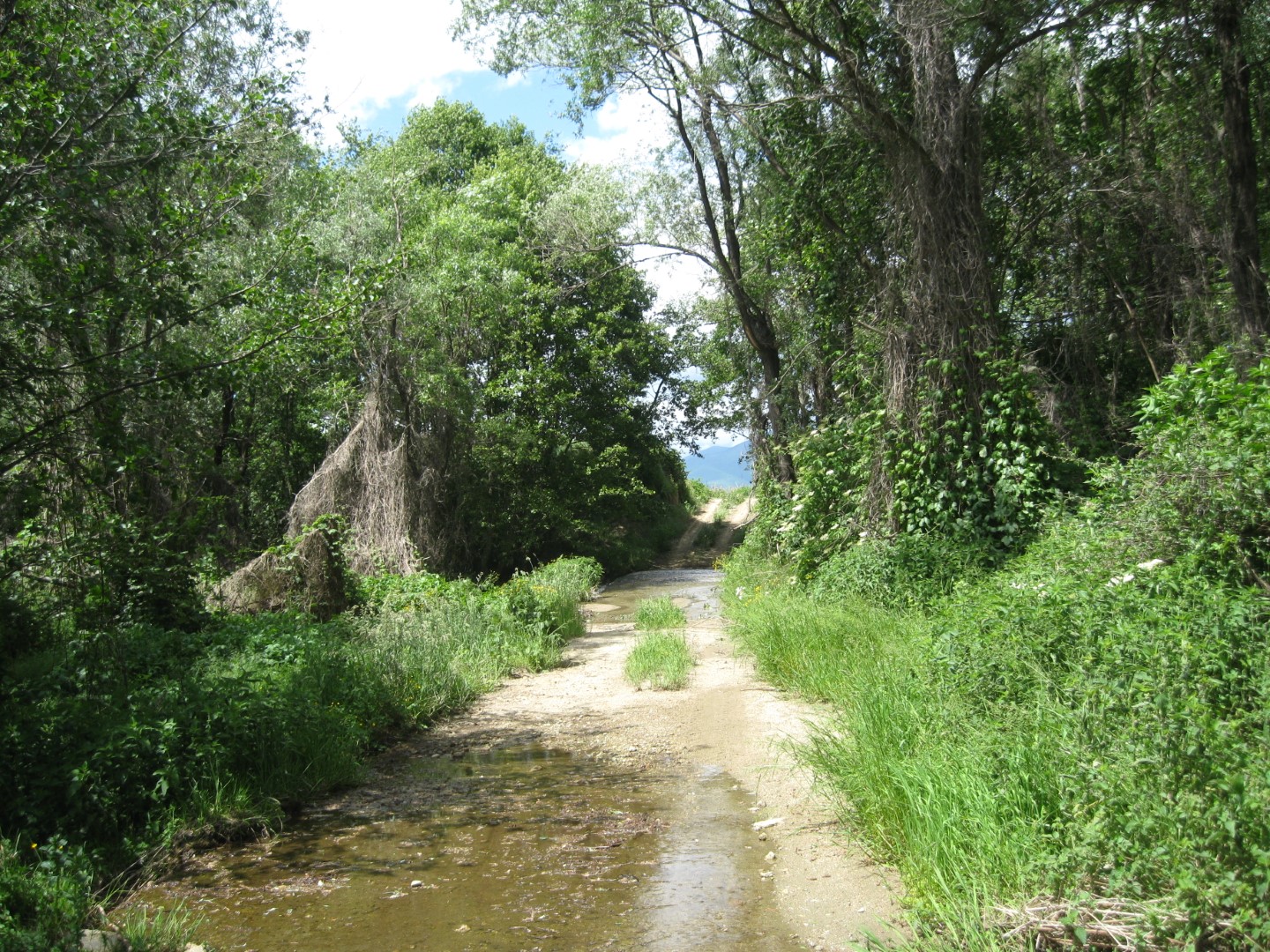
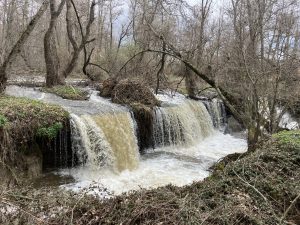
Riparian zones along rivers and lakes are also very important as migration corridors for flora and fauna, as they connect mountainous and lowland landscapes and ecosystems. In the context of climate change, the ability to move and migrate is crucial for many species. However, most habitats and landscape elements are fragmented by agricultural la and infrastructure, making the migration of animals and plants (a key ecological response to climate change) very difficult.
Through a series of complementary projects, we work to understand, conserve, and restore freshwater and riparian ecosystems that connect the mountains, streams, and lakes of the Prespa area.
The project “Prespa’s Green & Blue Lifelines” highlighted the importance of riparian zones as critical ecological corridors for biodiversity and climate change adaptation. Through scientific studies, mapping, and field actions, knowledge of the ecological condition of the Agios Germanos River and the streams of Prespa was improved. Restoration measures were implemented, including riparian vegetation planting, pressure mitigation actions, and awareness-raising and participation activities involving the local community.
Continuing this effort, the project “Prefeasibility Study for the Restoration of the Ecological Functions of the Agios Germanos River (Prespa)” explores the potential for restoring the river as a whole, examining geomorphology, river system functioning, and its connection with the lakes. The objective is to develop scientifically sound, nature-based solutions that will support endemic fish species, improve water quality, and enhance ecosystem resilience to climate change.
Building on the same goals and focusing on the lowland, more impacted section of the river, the project “Reconnecting a Lifeline: Restoration of the Agios Germanos River” aims to restore river continuity. It includes preliminary studies for the removal of artificial barriers that interrupt fish migration and the natural dynamics of water and sediment transport. This represents an important step for the conservation of endemic fish, the restoration of riparian habitats, and the protection of the natural “lifelines” of the Prespa basin for future generations.
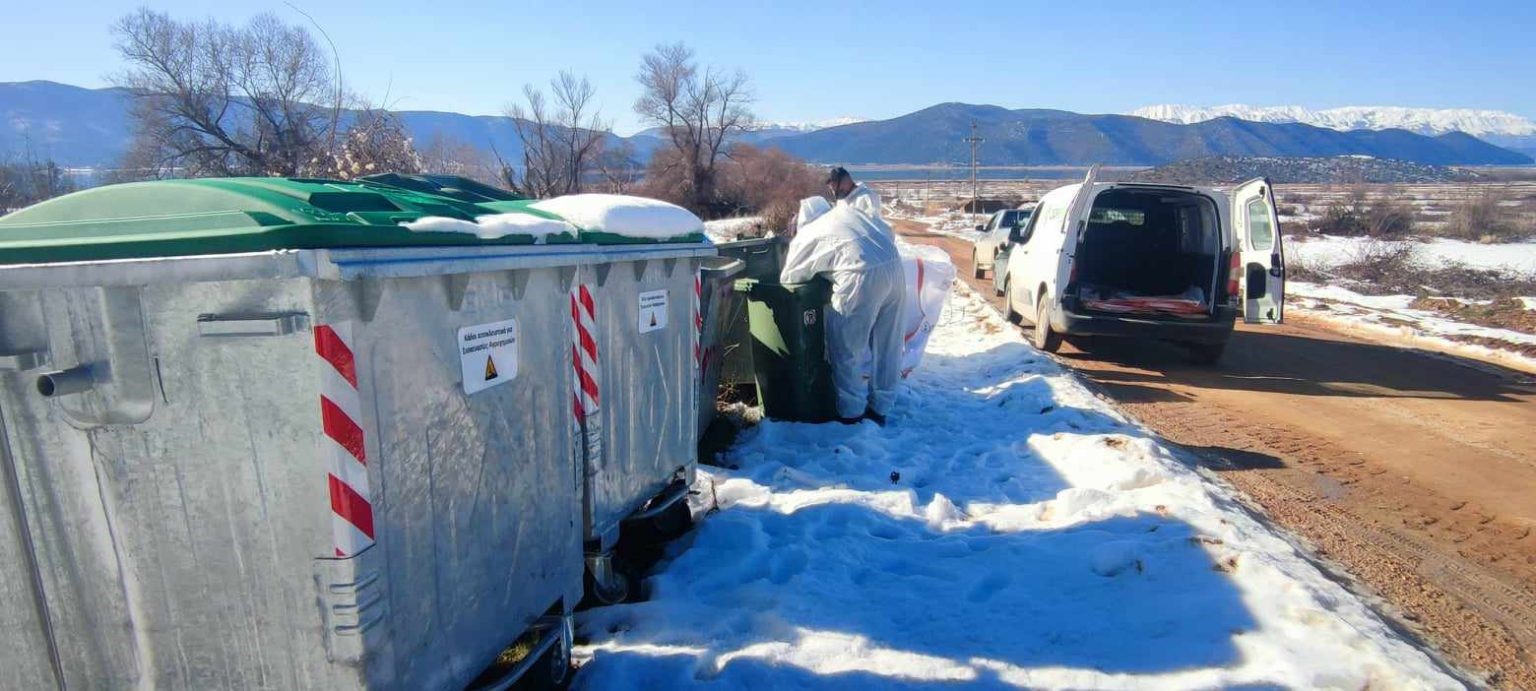
A collection program of empty agrochemical containers is being implemented since 2017 by the Municipality of Prespa. Its aim is to reduce the disposal of empty pesticide containers, especially in the streams and the lakes.
The reduction of the influx of pollutants into Prespa’s waterways and lakes is extremely important, as climate change reduces the lake volume and thus increases absolute pollutant concentrations.
According to the latest available data from the Municipality of Prespa, in the year 2025 a total of 970 kilograms of agrochemical packaging were collected.
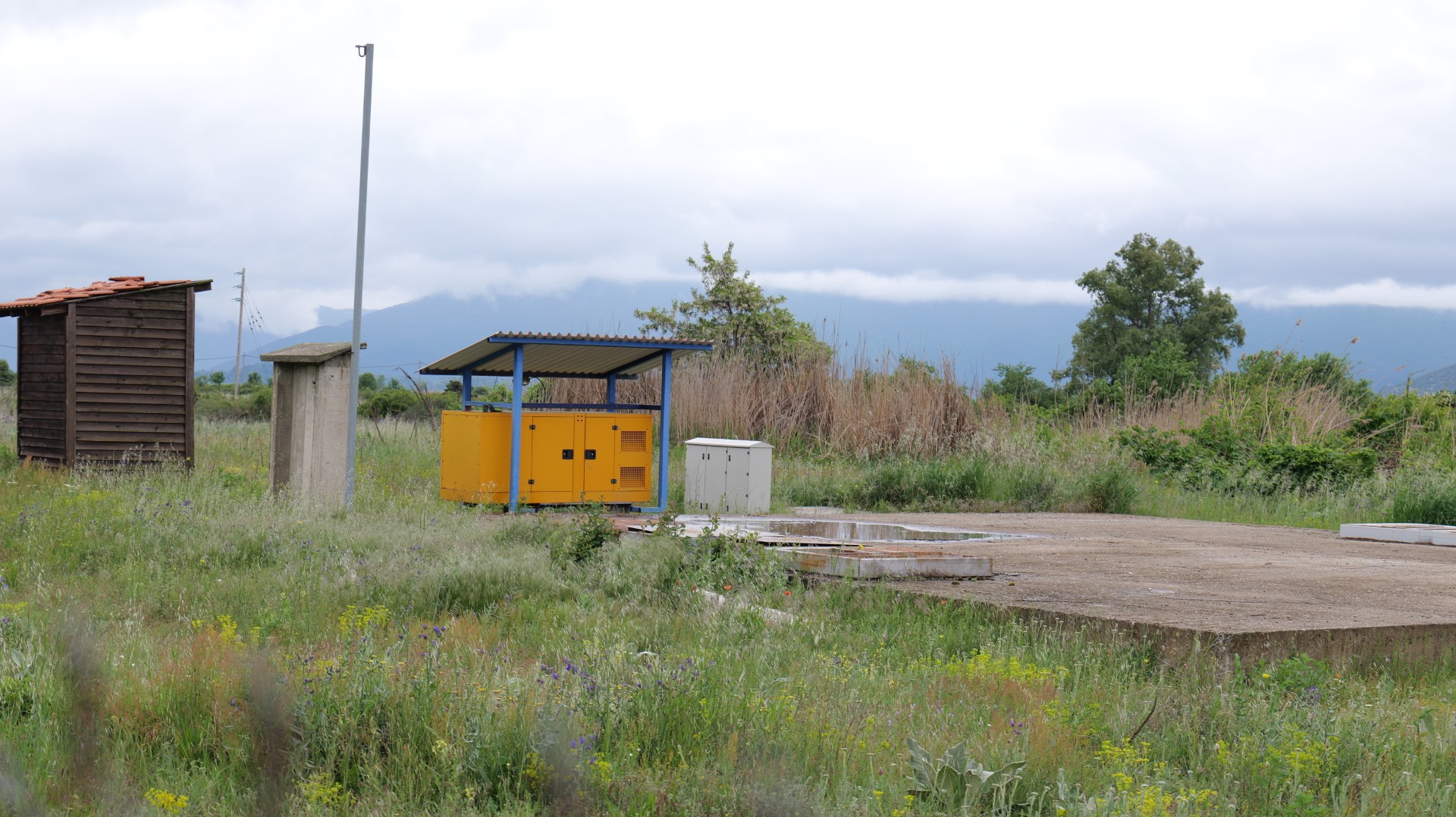
Biological wastewater treatment plants serve most villages in the Greek part of the Prespa region. These plants significantly reduce the influx of wastewater into the streams and the lakes. It is extremely important to reduce the influx of pollutants into the lakes, as climate change reduces the lake volume and thus increases absolute concentrations. The Municipality of Prespes is proceeding with the necessary infrastructure works to connect all settlements in the municipality to wastewater treatment plants.
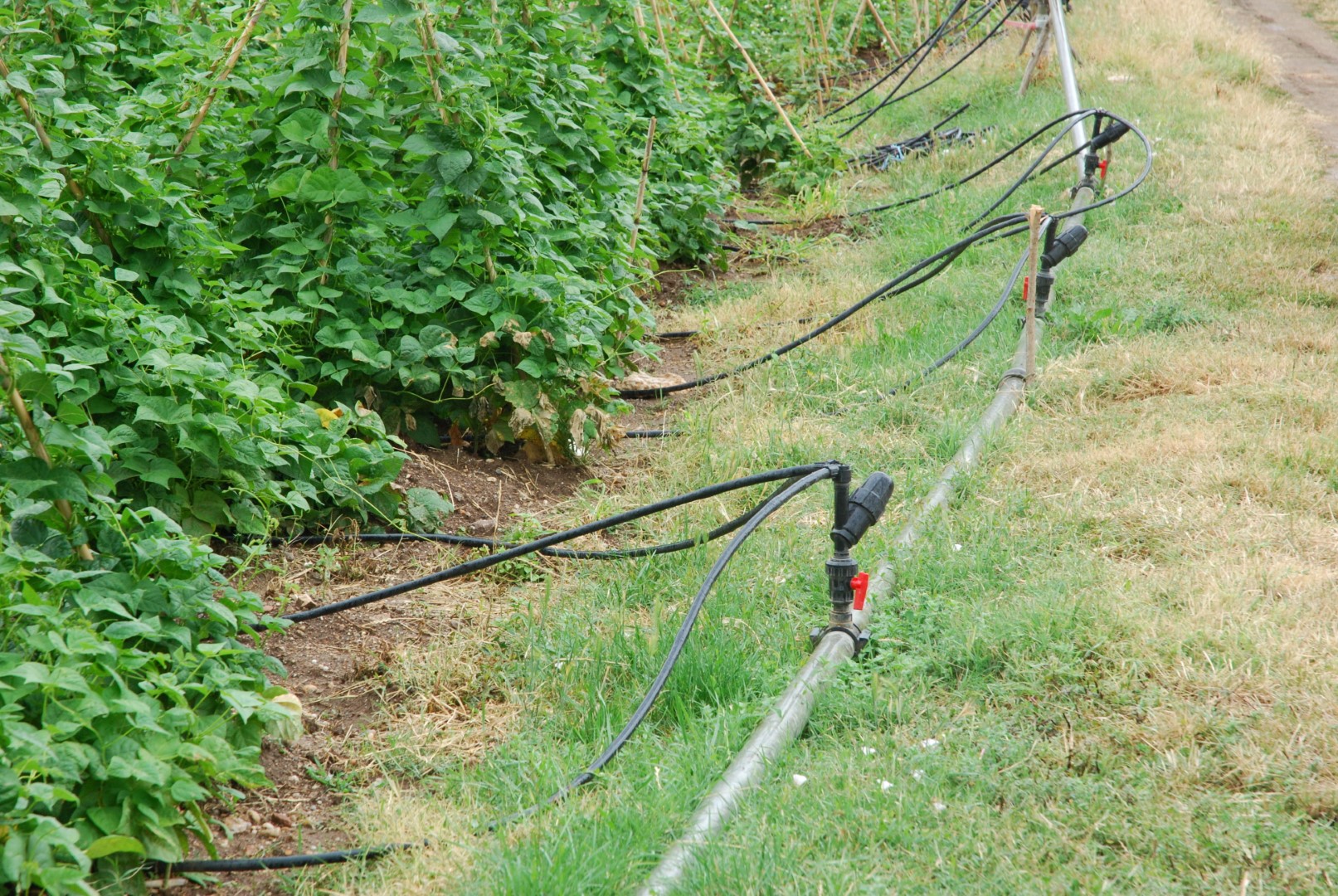
Drip irrigation is being installed in parts around Lesser Prespa Lake (Greece). These systems use much less water than the current irrigation system that uses cement canals for watering the bean fields, thus helping to fight climate change impacts on the region’s water resources. Furthermore, using much less water for irrigation implies that fewer pesticides and fertilizer will be flushed into the lake.
All human actions in Prespa should be evaluated in the context of future climate change. This includes, for example, water management and nature conservation, fire management, tourism and infrastructure development, agriculture and the installation of renewable energy sources.
Key questions should be: Is the (proposed) management & development sustainable under future climate change in the Prespa region? Does it negatively impact on the natural or cultural environment? Will it enhance the negative effects of future climate change?
Adaptation measures to climate change should be cost-effective, simple and sustainable in the long-term, and supported by the local population. To be sustainable, it is essential that adaptation measures solving one problem do not create a new one, that they are simple, and cheap in upkeep.
Adaptation measures may be:
In the light of future climate change, adaptation measures are urgently needed to address:
Fires.
To deal with the increased future fire risk it is important to develop fire prevention strategies, in addition to fire suppression measures.
Fire-smart landscape management, using, for example, grazing and vegetation mosaics to limit fires, should be promoted as a low-cost and effective long-term fire prevention strategy. All infrastructure projects in the national park, including those for the green energy transition, should be assessed on their fire risk potential.
Water resources. Water scarcity is often addressed by building dams and diverting rivers. However, this is more and more recognized as a bad and costly long-term solution. These works are capital intensive (both building and upkeep), have a short lifespan (often a few decades), and lead to widespread environmental destruction.
Sustainable adaptation measures for preserving water resources should instead focus on reducing water use (e.g., drip irrigation, change crops, increase soil water retention, domestic water saving) re-using recycled wastewater, and enhance water storage in aquifers around the lake.
Agriculture. Sustainable adaptation measures for agriculture under future climate scenarios should focus on introducing heat- & drought resistant crops, and drip irrigation. Furthermore, improving the soils, for example through using local biomass, will help water retention and reduce the use of fertilizer. Crop-rotation, a broader range of crops, uncultivated corridors and riparian zones may help reduce pesticide & fertilizer use and address the effect of extreme rainfall events.
Biodiversity. Dynamic management of habitats and wildlife should anticipate fluctuating and falling lake levels, decreasing precipitation, increased fire risk and droughts.
Environments and habitats should not be considered fixed but changing in space and time. To facilitate the migration of species, it is essential that riparian corridors are created around the lakes and rivers. Riparian zones also reduce flood peaks and slow-down flood waters, while filtering the runoff that enters the streams and lakes.