Rainfall, snowfall, and river flow declined throughout the Prespa region after the 1970s. There was also a steady increase in temperature and multi-month droughts.
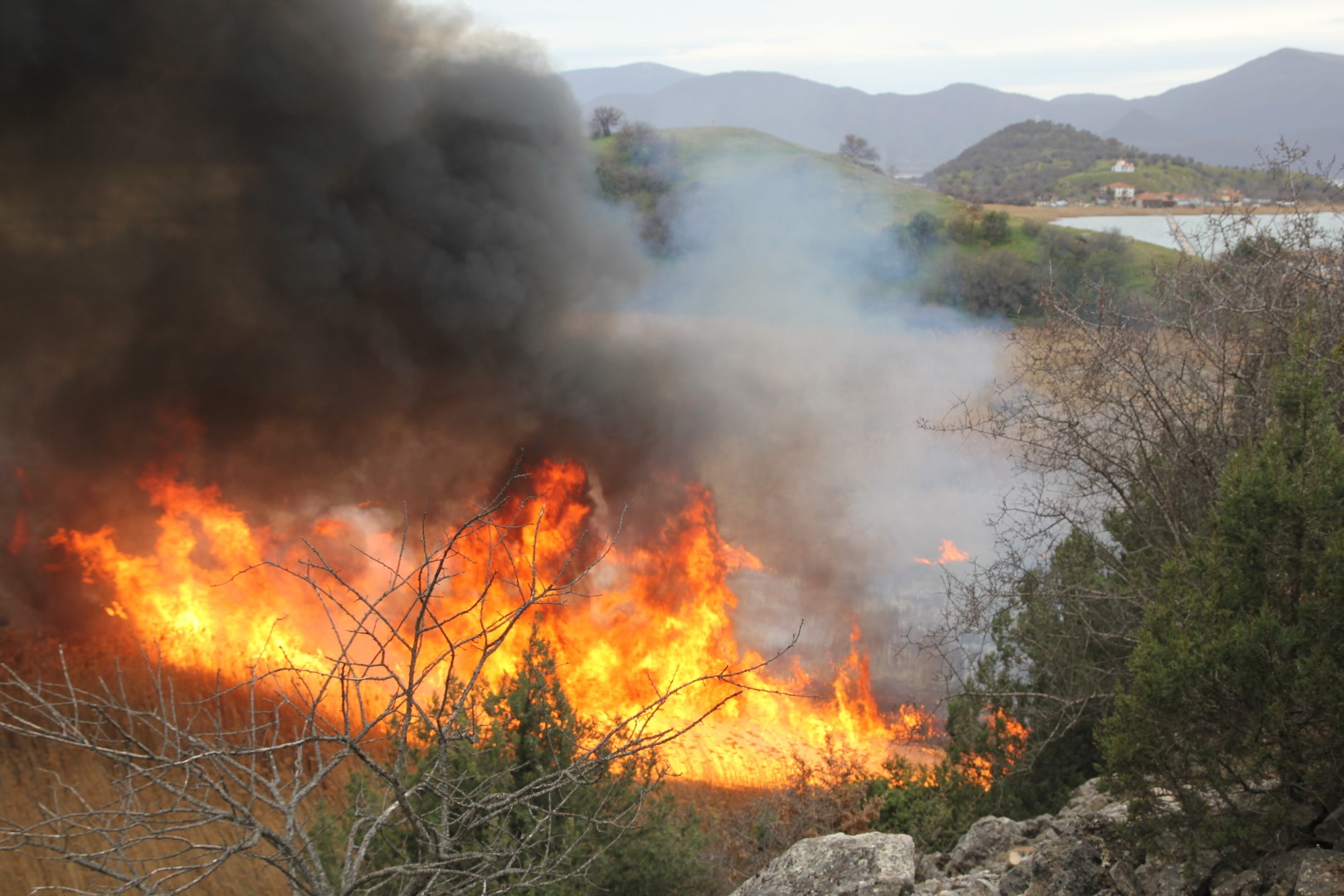
These changes impacted in many ways on nature & people. Climate change forced the decline of water resources and accelerated their degradation, increased the risk of wildfires, and affected year-to-year agricultural output.
The natural environments and biodiversity of the Prespa region are also at risk. For example, climate change threatens globally endangered waterbirds, as well as endemic lake species.
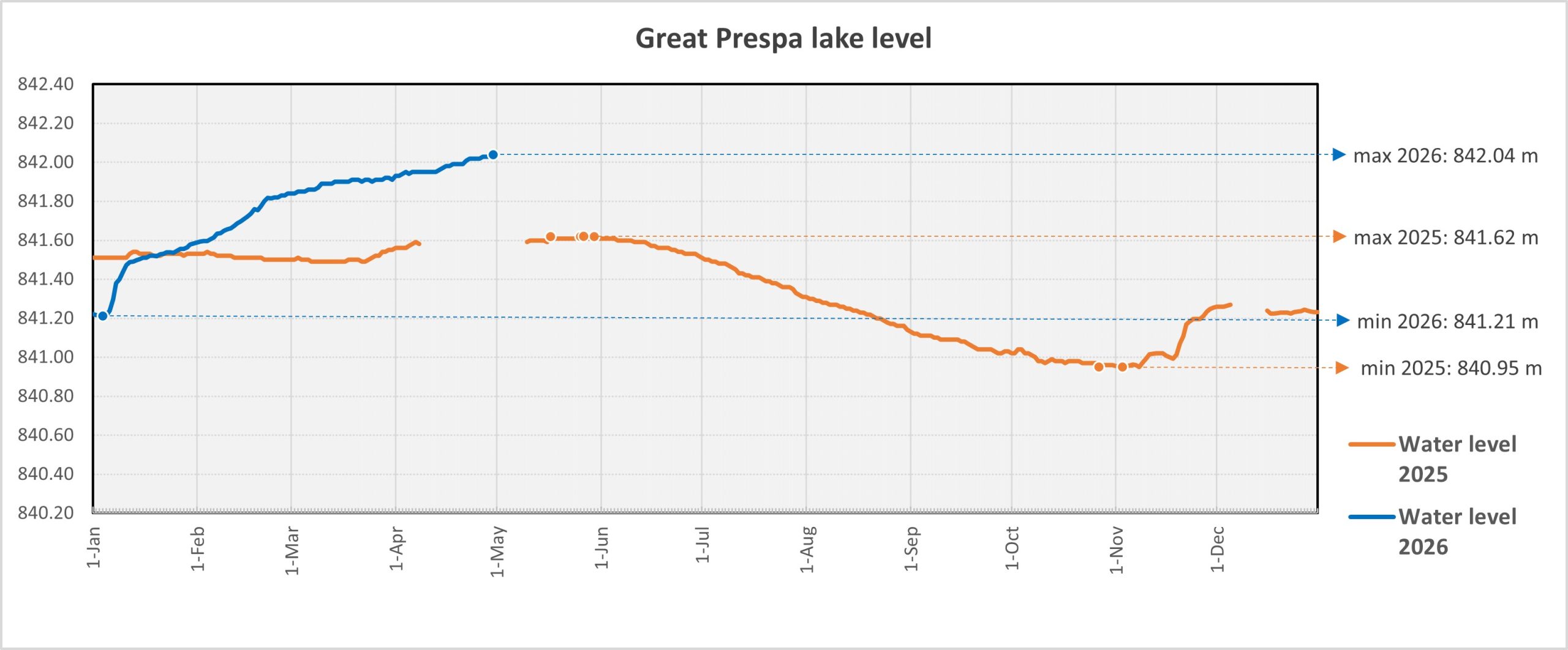
Μoreover, extreme weather events are being observed with increasing frequency, greater intensity, and outside the expected seasonal periods. Notably, until November 2025, prolonged drought led to a significant drop in the water level of Lake Mikri Prespa, while from late November, heavy rainfall resulted in crop damage and flooding in the area of Pyli. During the first months of 2026, rainfall continued at an unabated rate, ultimately leading to a sharp rise in the lake’s water level and the reappearance of flooded areas around Mikri Prespa.
The diagrammes bellow depict the variation in the lake’s water level from 1951 up to March 2026, as well as a comparative view of the variation for 2025 and 2026, according to the latest available data.
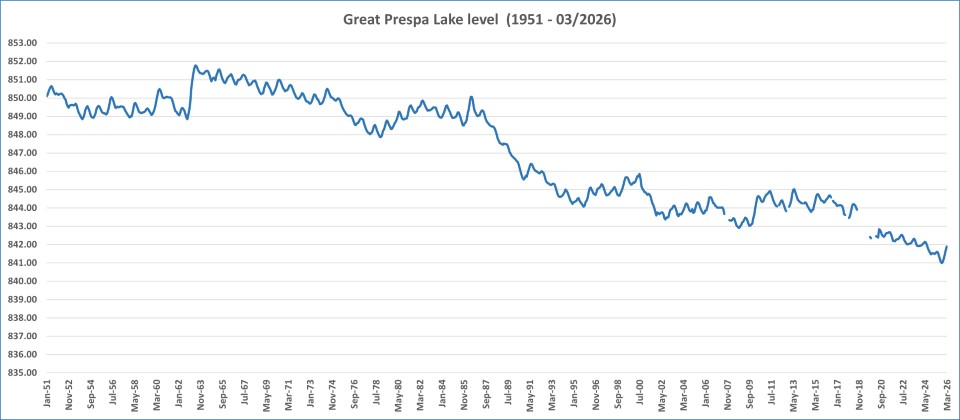
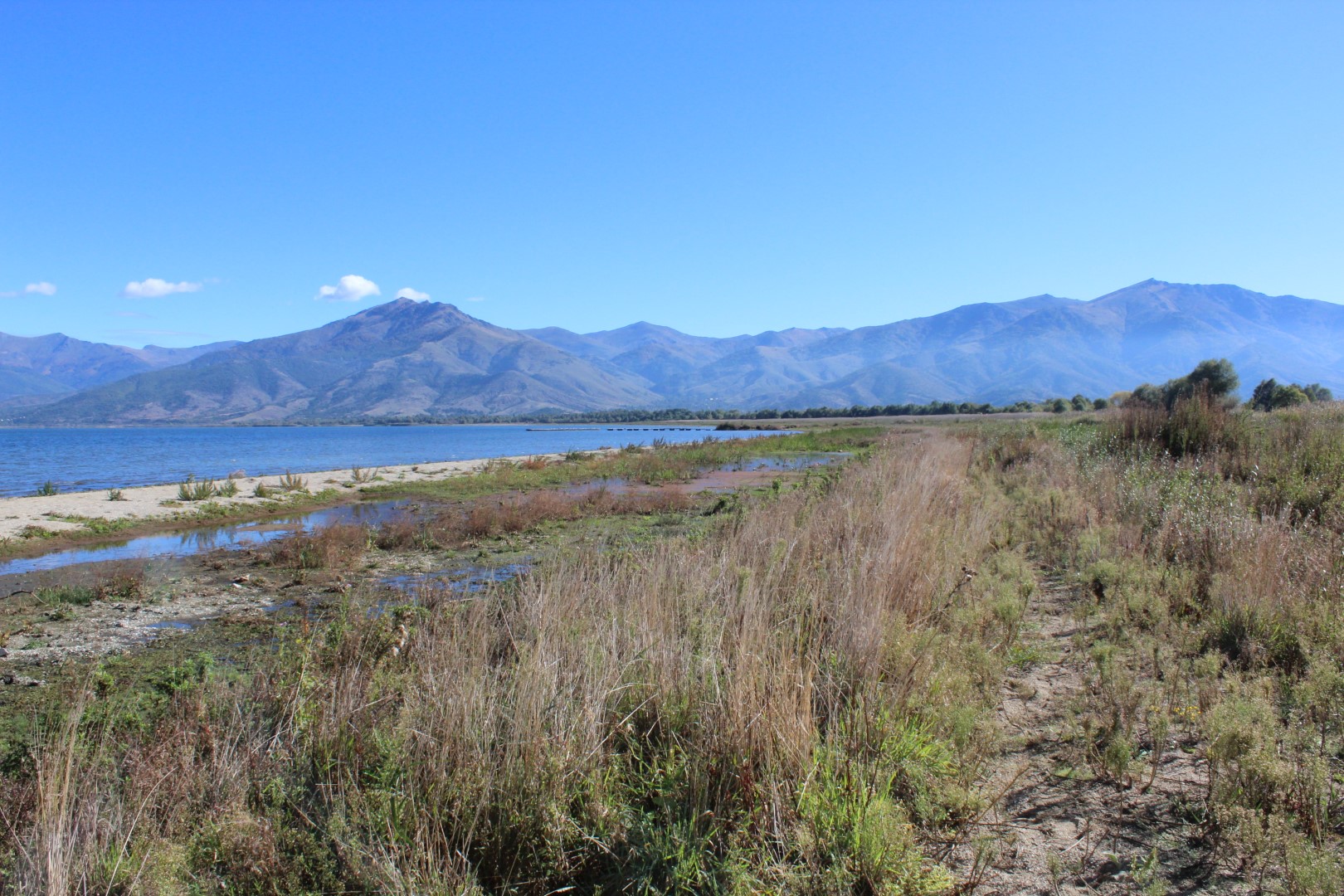
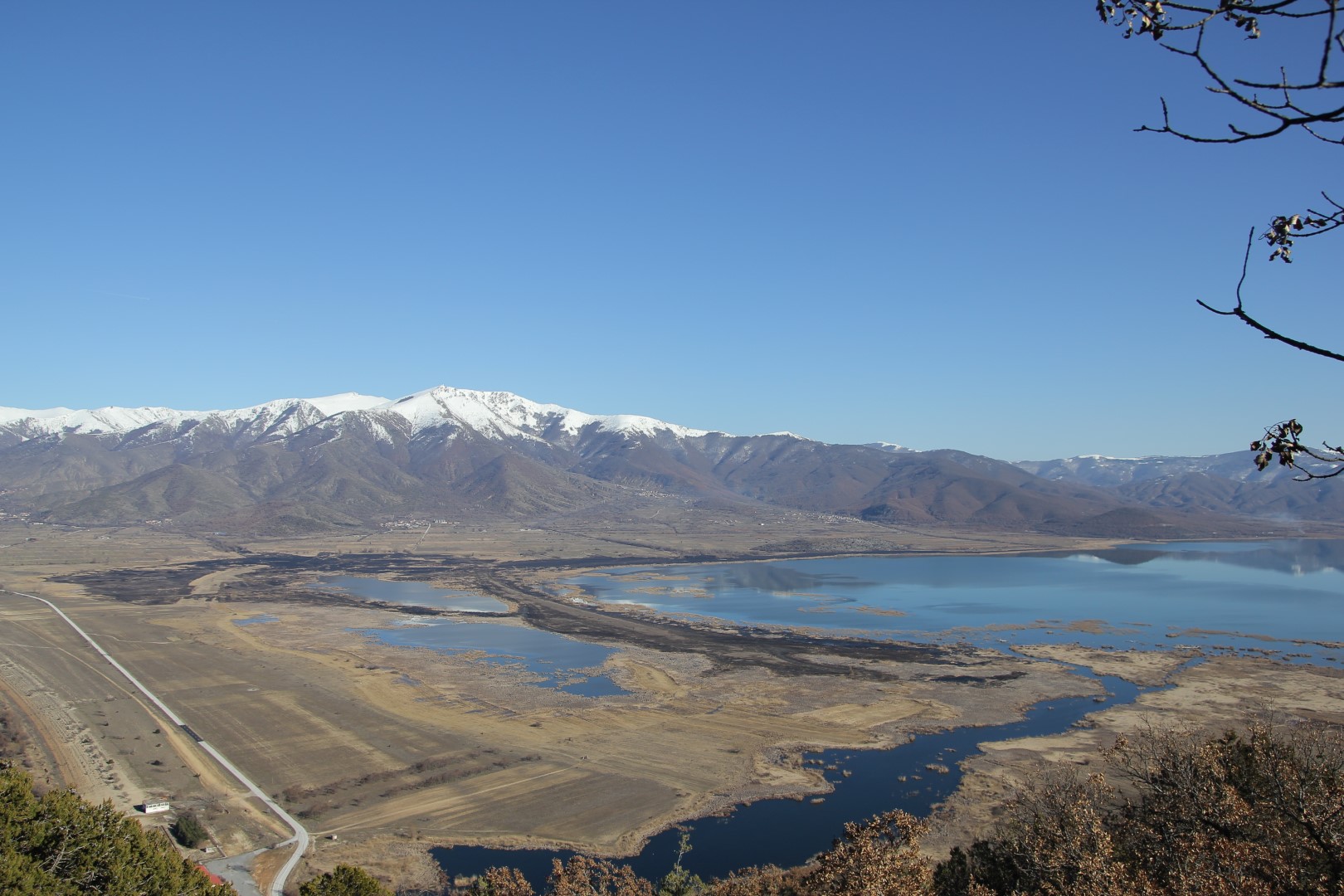
The dramatic fall of Great Prespa Lake visually illustrates the impact of these recent climate changes. Since the extremely wet period over 1962-1963, water level dropped by 10 meters and the lake lost about 2 km3 of water volume and c. 20 km2 of its surface area.
Shorelines receded and beach facilities from the 1970s were left high and dry, while lake fringing reedbeds became more susceptible to burning, as fires ignited by farmers for land-clearance spread more easily.
For an overview of recently observed surface area changes of the Presp-Ohrid Lake System, see this blog from NASA:
“A pair of Ancient Lakes (on the Prespa-Ohrid Lake System)”
Recent climate change in the Prespa region and the causes for the dramatic fall in water level of Great Prespa Lake are explored in detail in the open-access papers:
“Determining the causes for the dramatic recent fall of Lake Prespa (southwestern Balkans)”
Climate change projections indicate that the Prespa region will, over the future decades, experience:
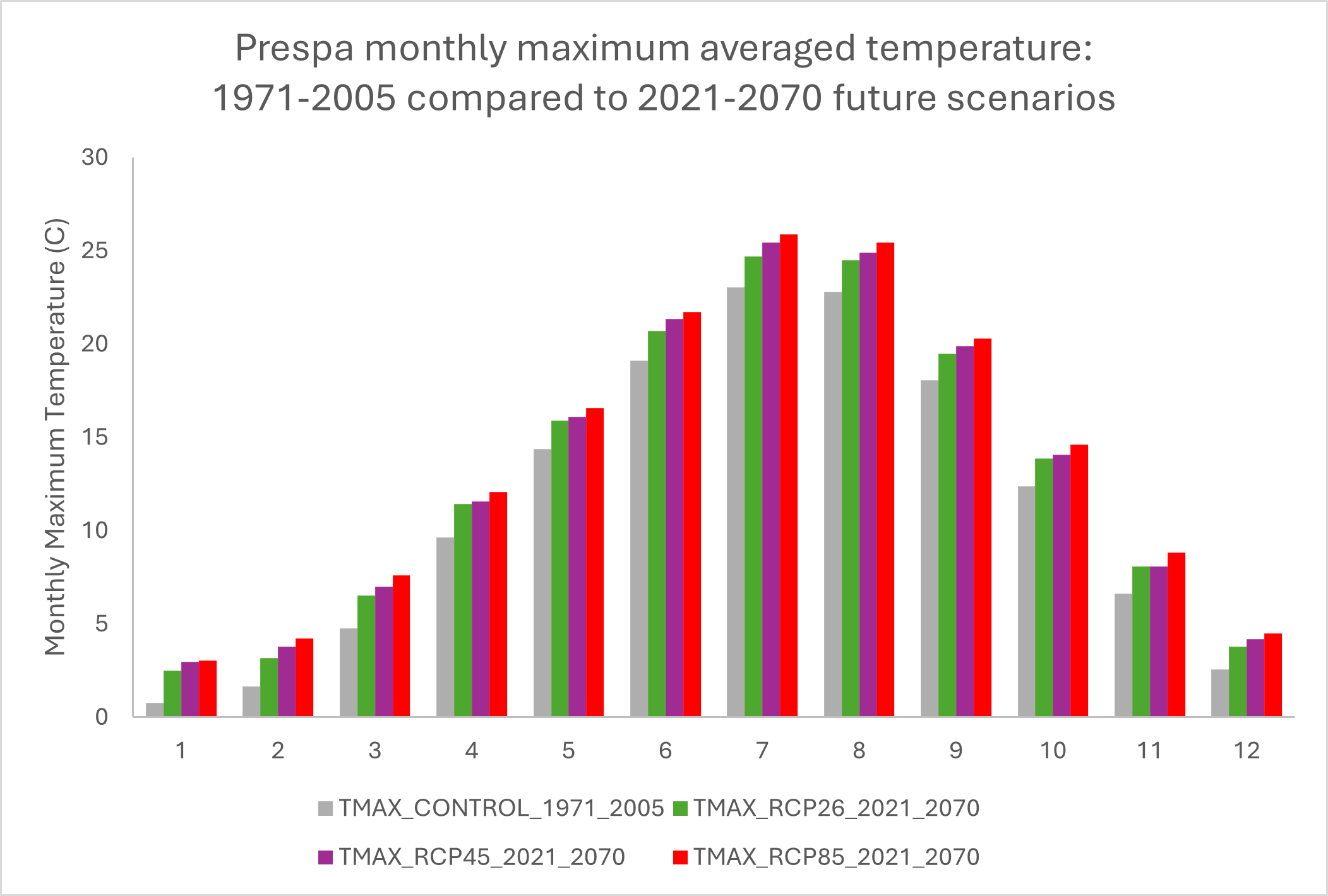
The scenarios are based on Representative Concentration Pathways (RCPs) 2.6 (ambitious mitigation policies), 4.5 (moderately ambitious mitigation policies), and 8.5 (business as usual, no mitigation).
Future increases in temperature, droughts and heatwaves, coupled to the decline in rainfall & snowfall, will have substantial impacts on man and nature in Prespa.
For example, there are impacts on wildfire frequency & burnt area extent, agricultural production, water resources, energy use, and ecosystems.
Climate change will directly influence:
[1] Risk of worsening water resources (both in terms of quantity and quality) as future rainfall and snowfall decline and river flow into the lakes will decrease. Thus, lake volume will further decrease, causing absolute pollutant concentrations to increase.
[2] Growing risk of large wetland fires, under increasingly frequent winter drought conditions, threating nesting sites and breeding success of waterbirds.
[3] Growing risk of large summer forest wildfires under increasingly frequent heatwaves coinciding with multi-month droughts. These fires threaten wildlife and plants, and human life and livelihoods.
[4] Increasingly frequent poor bean harvests, related to deteriorating future growth conditions for these present-day cash crops.
Climate change and human actions in the Prespa region mutually influence each other.
All wetland fires, and 90% of forest fires, are ignited by human actions. However, the size of the resulting fires is determined by climatic conditions. Large fires form especially under conditions of drought, high maximum temperatures, low humidity and wind. These specific climatic conditions increase in the future, and therefore the probability of large fires.
The fall in lake water volume and the decline in river flow are mainly caused by decreases in rain- and snowfall, and increases in evaporation, but amplified by water use for agriculture and urban purposes. If unchecked, future water demand will increase, under higher temperatures, evaporation rates and drought conditions.
Water pollution is mainly caused by pesticide and fertilizer (over-)use in agriculture, as well as dumping of untreated wastewater and waste into the waterways. The decrease in water volume, forced by climate change, will lead to increasing water pollutant concentrations and speeding-up of eutrophication.
Growth conditions will deteriorate for present-day bean species. However, future conditions are suitable for different crop species or types that are more heat- and drought resistant and that require less water.
Future drought and fire risk in the Prespa region are explored in detail in the report:
“Estimation of future drought and (wetland) fire risk up to 2070 in Prespa”
Information on climate change and on conservation actions, aimed to help the ecosystem adapt to climate change, can be found in the published material of the Prespa Waterbird project.